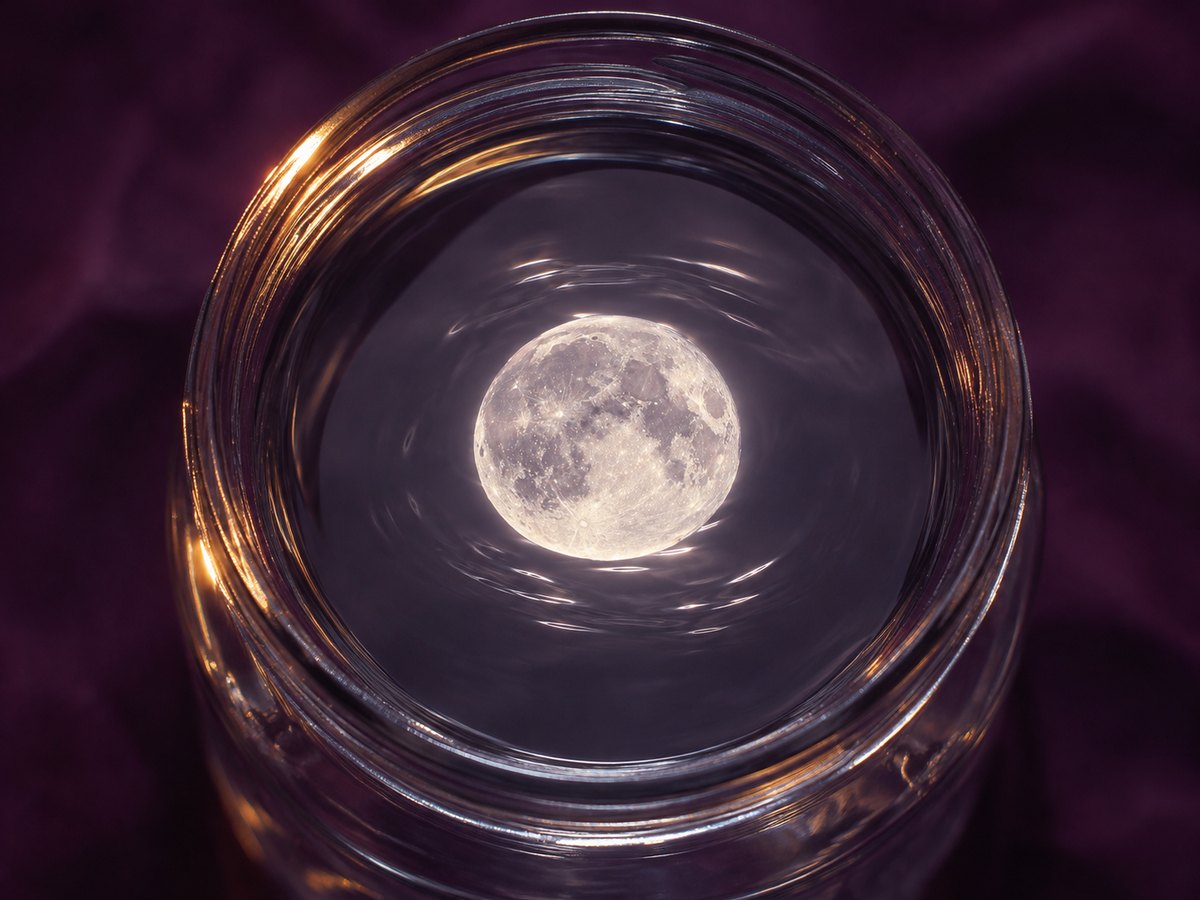
Some rituals ask for an altar, candles and an hour of quiet. Moon water asks for a jar, some water and a clear night. That simplicity is a big part of its appeal. It is a small, repeatable way to mark the lunar month, set an intention and slow down for a moment. Here is what people mean by it, how they make it, how they use it, and the safety habits that keep a lovely ritual from becoming a bad idea.
What is moon water?
Moon water is ordinary water left out under the night sky, most often under a full moon, as part of a spiritual or mindfulness practice. The Old Farmer's Almanac describes it as "water left beneath the night sky," traditionally tied to the full and new moons and used in rituals, baths, meditation, gardening and household cleansing.
The belief behind it is that the water takes on something of the moon's energy, and that a clear intention set over the jar shapes what the water is "for." It is worth being plain about this. The Almanac article itself says that claims about water absorbing special lunar energy are spiritual beliefs, not scientifically proven effects. Astronomy adds a gentle footnote: according to NASA, the moon makes no light of its own, and moonlight is sunlight reflected off its surface. The ritual is about attention, rhythm and meaning, and those are real to the person doing it.
Where the custom comes from
Water and the moon have been linked in folk practice for a long time, but written records are younger than you might guess. In the same Almanac piece, the author Briana Saussy says the first documented mention of moon water dates to the 1860s, in a Christian context, and that water set out under a full or new moon was probably part of folk magic traditions long before that.
How to make moon water, step by step
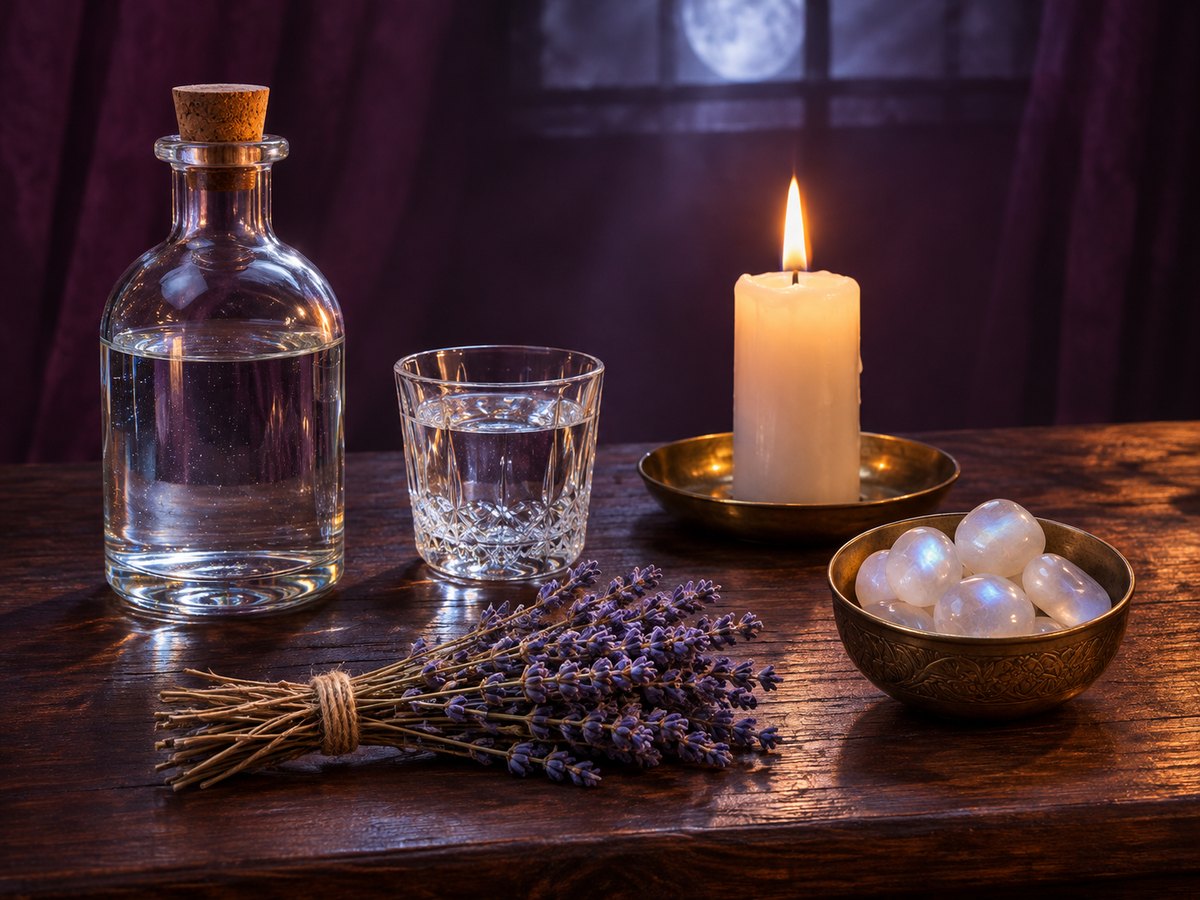
Most guides agree on a short, simple method. A moon ritual handout from the Metropolitan Library System in Oklahoma, for example, suggests a clean glass jar filled with distilled or spring water, set outside under the full moon, brought back inside before the sun rises.
- Pick your night. The full moon is the traditional choice. According to NASA, a full moon rises around sunset and sets around sunrise, and it looks full for a couple of days, so the night before or after works too.
- Start with water you would happily drink. Use tap water you trust, filtered water or sealed bottled water. If there is any chance you will sip it, this matters more than anything else on the list.
- Wash the jar. A clear glass jar with a lid is ideal. Wash it with hot, soapy water and rinse it well. The CDC's guidance on storing drinking water starts the same way: wash the container with soap, rinse it completely, then fill it with clean water and cover it with a tight lid.
- Set an intention. Hold the jar for a moment and name what you want to release or invite. Some people tape a written word to the jar.
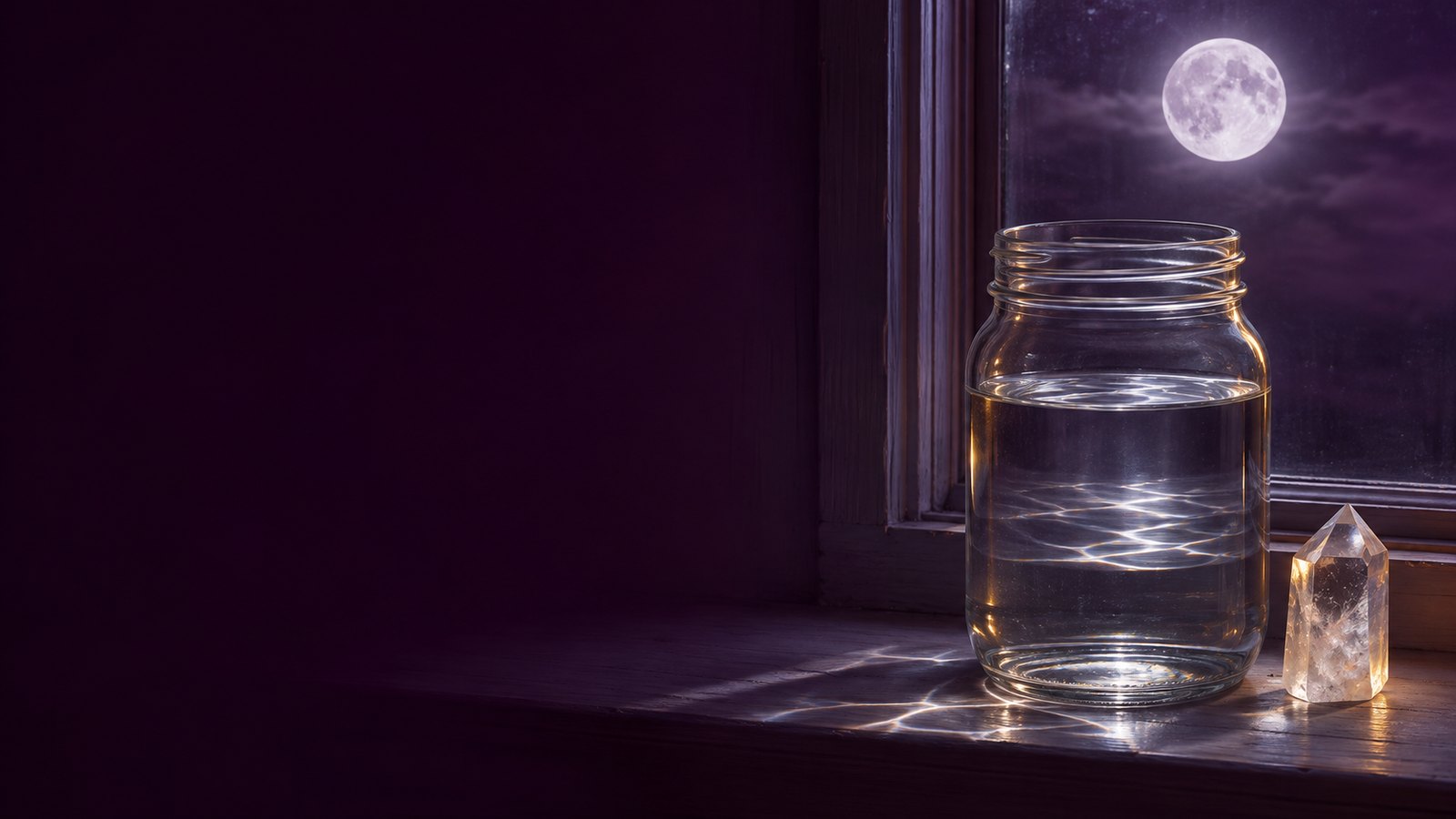
- Put the lid on and set it out. A porch step, garden table, balcony or bright windowsill all work. Covering the jar keeps out dust, pollen, insects and anything a curious animal might add.
- Bring it in early. Many traditions say to collect the jar before sunrise. It is also simply good sense, because the CDC advises keeping stored water away from direct sunlight.
- Label it. Write "moon water" and the date on the lid, so it never gets mixed up with anything else in the fridge.
A note for winter moons
December's full moon is the Cold Moon. According to timeanddate.com, it falls on December 23, 2026, at 8:28 pm Eastern time. On a freezing night, water in a sealed glass jar can expand as it freezes and crack the glass. If the forecast is below freezing, leave plenty of empty space at the top, use a sturdy jar, or set it on an inside windowsill where the moonlight still reaches. Most practitioners say the intention matters more than a perfect view of the sky.
Moon water safety: what not to do
Moon water is a ritual, and nothing about it changes the water's safety. The water in the jar is exactly as safe as the water you poured in, and outdoor exposure can only make it less clean. Keep these habits:
- Drink only clean drinking water. Never use rainwater, creek water, pond water or water from a fountain or birdbath if you plan to drink it, even if a guide romantically suggests a "natural source."
- If it looks or smells off, don't drink it. Cloudiness, floating bits or an odd smell mean it goes on the plants, not in your mug.
- Use it soon. Treat drinking moon water like any glass of water left out: use it within a day or so. For keeping water longer, the CDC's general rule for home-filled containers is to replace the water every six months, kept cool and out of the sun.
- Keep crystals out of drinking water. Many recipes say to drop a stone in the jar. We don't recommend it. Some stones contain copper, lead or other elements you should never risk drinking, and others are soft or porous and can dissolve, crumble or shed dye. Our guide to water-safe crystals lists which stones are a problem, including malachite, selenite and turquoise.
- Use the indirect method instead. Set your crystals around the jar, not in it. The Almanac quotes the writer Madame Pamita, who places moonstones around a jar or bowl of water rather than in it. You keep the symbolism and none of the risk.
- Skip the additions if you will drink it. Fruit, herbs and salt spoil; keep them for garden or bath water.
If you have any health concern, please talk with a qualified professional. Moon water is a way to mark time and set intentions, and that is how we present it here.
How people use moon water in ritual
Once it is bottled, moon water becomes a small reminder of whatever intention you set. The Old Farmer's Almanac lists a long range of uses. These are the ones people return to most:
- A morning sip. Some people drink a small glass while repeating their intention. Only do this with clean drinking water, as above.
- Bath and hand washing. Pouring a cup into a bath, or washing hands and face with it, is a favorite of the writer Judika Illes, according to the Almanac.
- Watering plants. One of the most common and gentlest uses. Many gardeners save new moon water for seeds.
- A room mist. A small spray bottle of moon water can be misted in a room before meditation. Rinse the bottle between batches.
- Cleaning sacred tools. A soft cloth dampened with moon water is often used to wipe down an altar, a yoga mat or a singing bowl. Dry metal and crystal bowls well afterward.
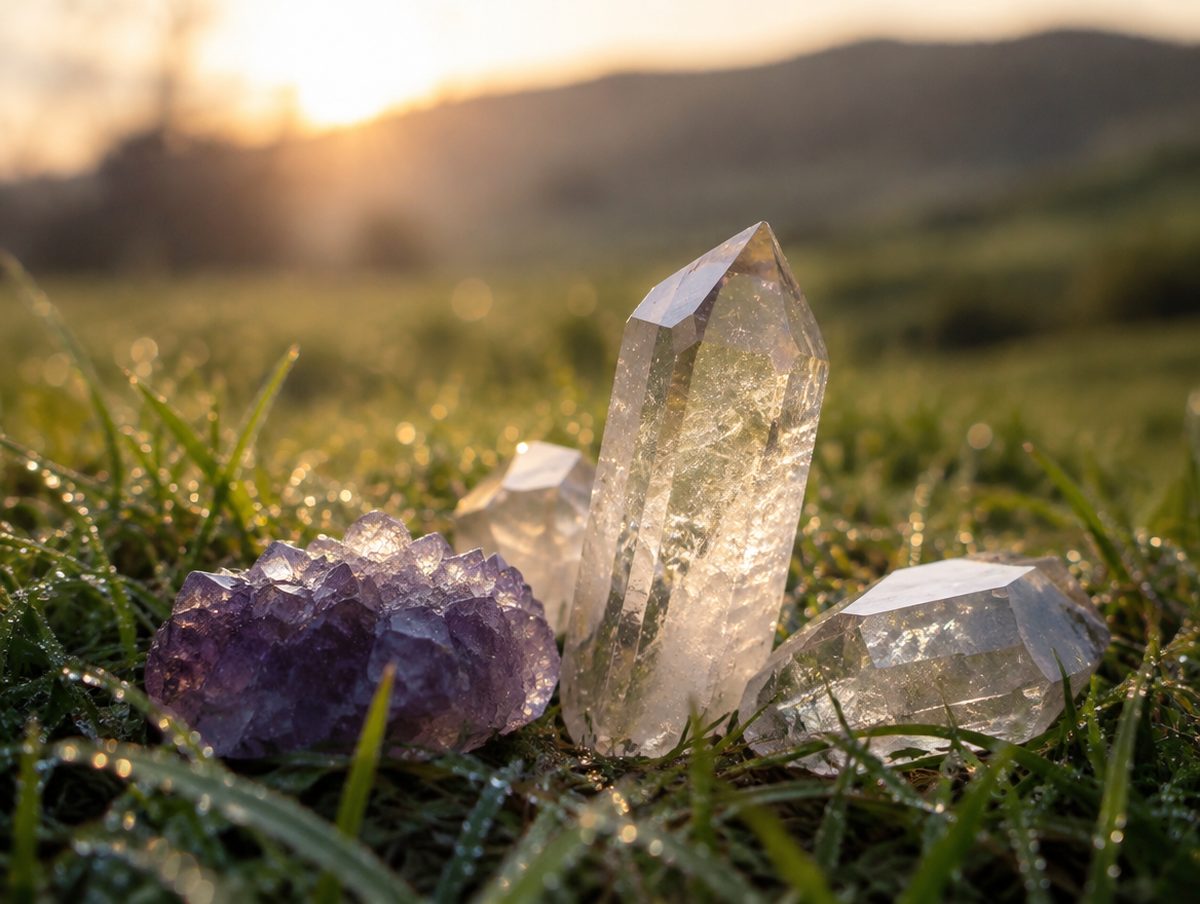
- Cleansing water-safe crystals. Hard, stable stones such as clear quartz and amethyst can be rinsed briefly and dried right away. Soft and porous stones should be cleansed with moonlight alone.
Full moon and new moon water: the traditions
Practitioners give each lunar phase its own flavor. The Almanac sums up the common view: full moons are for release and reflection, and new moons are for new beginnings. The Metropolitan Library handout adds the quarters: the first quarter is for committing and taking action, and the last quarter is for evaluating and gratitude.
- Full moon water: letting go, gratitude, closing a chapter.
- New moon water: fresh starts, seeds, plans. Because the new moon is not visible at night, people set the jar out anyway and work with the dark sky.
- Zodiac moons: some astrologers match the water to the sign the moon is in, for example a Taurus moon for steadiness and growth, or a Pisces moon for meditation.
There is no rule book here, only custom. Pick the meaning that feels right and keep it consistent.
Make it part of a monthly practice
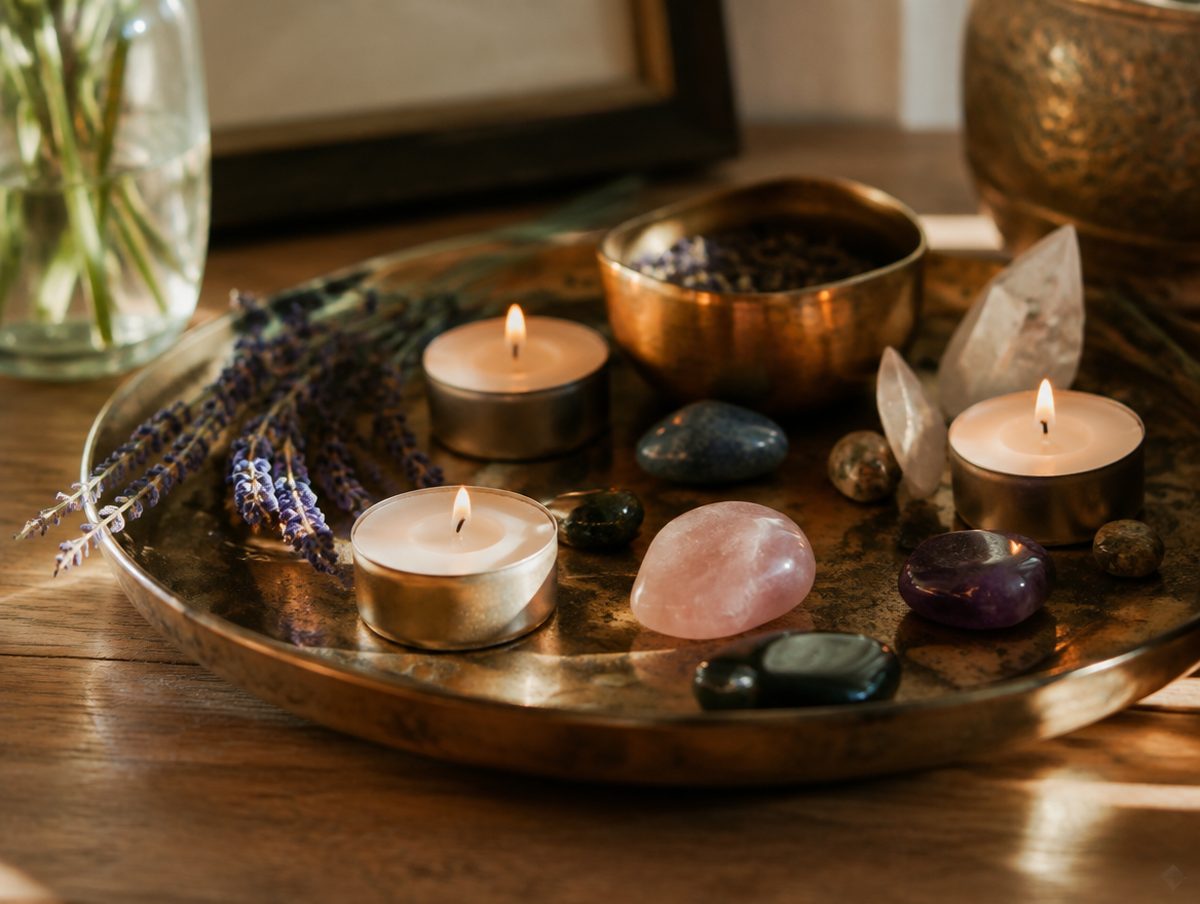
The quiet strength of moon water is its rhythm. Roughly every 29.5 days, according to NASA, the moon comes back around to full, and the jar becomes a monthly check-in. Many people pair it with a short sitting meditation, a few minutes with a singing bowl, or time at a meditation altar. Some bring a pyramid frame or a tuned bell into the same evening routine, and iPyramids' sound and frequency tools are one example of the gear people choose for that. Keep the water clean, keep the stones beside the jar, and let the moon set the calendar.
Quick answers
How do you make moon water?
Fill a washed glass jar with clean drinking water, set an intention, put the lid on and place it outside or on a windowsill under the full moon. Bring it in before sunrise, label it with the date and keep it out of direct sun.
Is it safe to drink moon water?
Only if you started with clean drinking water, kept the jar covered, added nothing to it and use it soon. Moon water is exactly as safe as the water you poured in. If it looks cloudy or smells off, use it on plants instead.
Can I put crystals in moon water?
We don't recommend placing crystals in water you might drink. Some stones contain copper or lead, and others are soft, porous or dyed. Set them around the jar instead. Our water-safe crystals guide lists the stones to keep dry.
Does moon water have to sit in direct moonlight?
Not in most traditions. A windowsill or a cloudy night is fine, and many practitioners say the intention matters more than a clear view. On freezing nights, an indoor windowsill also keeps the jar from cracking.